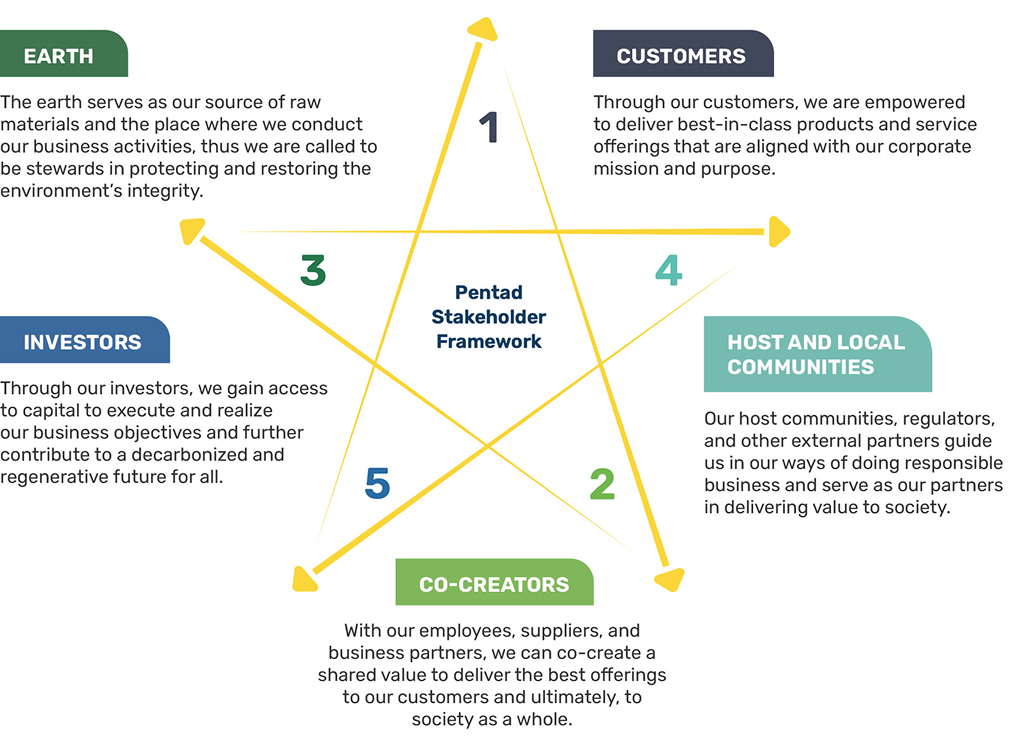
Social Capital is defined as the relationships and partnerships between communities, groups of stakeholders, and other networks, as well as the ability to share information to enhance individual and collective well-being.29 The following section presents the partnerships we have fostered with our stakeholders in executing our business objectives and company mission. Guided by the Pentad Stakeholder Framework of Carol Sanford, we enrich our relationships with our customers, co-creators (employees, suppliers, and business partners), earth, communities, and investors. Through their support, we are able to continuously improve the value we provide to society.
As a corporate citizen, we ensure our compliance with local and national laws and regulations. These ultimately grant our businesses the social license to operate in various parts of the Philippines.
Fostering Meaningful Engagements
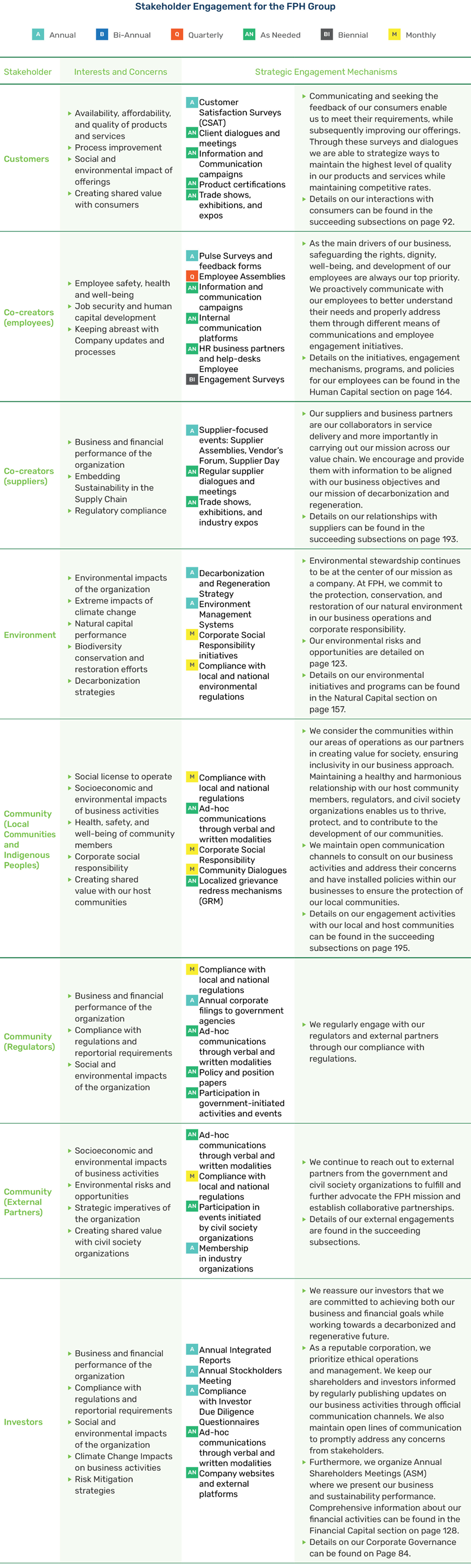
Maintaining mutually beneficial relationships with our stakeholders strengthens the efficacy of our conglomerate’s varying business models. FPH’s stakeholder engagement framework is an inclusive and regular discussion between the company and the people or groups that can be impacted by our product, service or process throughout the life of the project. The components include stakeholder mapping, sharing of information about the project, consultation, and grievance redress management. For projects with distinct host communities, there are additional activities such as reporting to stakeholders and their participation in monitoring of the project’s compliance with regulations and commitments.
Safeguarding our Stakeholders by Respecting their Human Rights
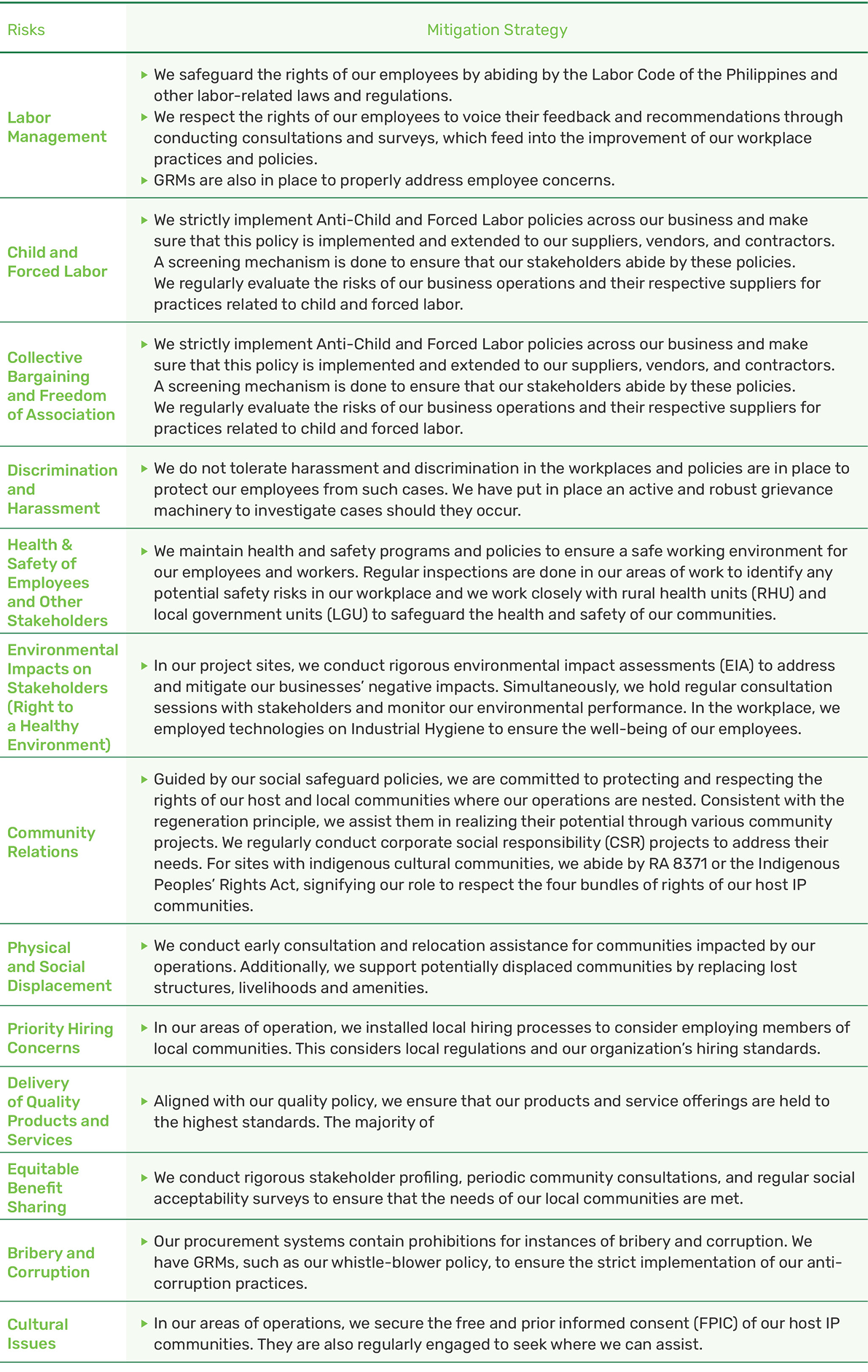
Aligned with our goal of becoming a regenerative business, we are committed to protecting the rights and dignity of individuals affected by our operations. We have continued to uphold and enhance our Human Rights practices, empowering our stakeholders to fully contribute to and benefit from our value creation efforts.
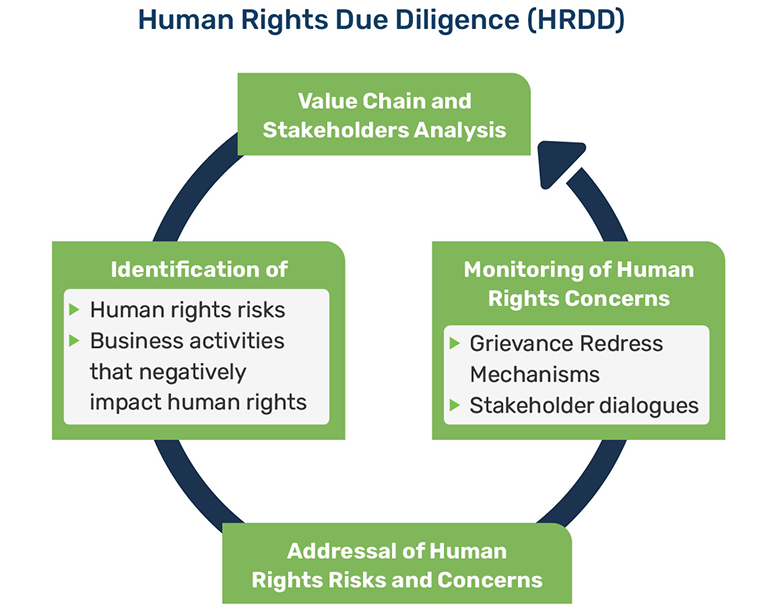
Human Rights Due Diligence Process
Our conceptual framework for identifying human rights concerns in our operations served as the foundation of our business segment’s respective HRDD process. It is aligned with the Ruggie Framework and the UN Guiding Principles for Business and Human Rights (UNGP), emphasizing the role of the state in protecting human rights, the role of businesses in respecting human rights, and allowing stakeholders access to remedy if human rights are transgressed. Our HRDD process covers all stakeholders impacted by our operations, such as employees, suppliers, contractors, communities, and consumers. Following the completion of our HRDD in 2022, we focused on improving our policies, processes, and initiatives to further safeguard the rights of our stakeholders.
In 2022, the organization established a Grievance Redress Mechanism (GRM) under the Workplace Issues Resolution policy which is still being practiced today. The organization understands that unacknowledged or unresolved grievances may result in loss of trust and dissatisfaction towards the organization. As such, the goal of the GRM is to provide an avenue to communicate grievances and formulate a fair and rational solution to the problem.
Actionable issues covered by the policy are
▸ concerns involving compliance with, interpretation, implementation or application of Company policies, procedures, terms and conditions of employment, and personnel actions; including those pertaining to salaries and benefits;
▸ concerns on working conditions and/or environment and;
▸ other work-related issues that give rise to a perceived unfairness, disrespect, indignity, or arbitrariness, or other similar experiences.
Human Rights Risks
Forced Labor
We are concerned with potential forced labor issues in all the workplaces across the Group. We adopt the international definition that a forced labor situation exists when an employee or worker (regular or contractual) is instructed to do a service under any penalty or disadvantage for which he or she has not volunteered for. Thus, below are the related measures that have been put in place to protect our employees and other workers in the value chain:
▸ Governance
The company adheres to relevant local labor laws, policies, and international conventions adopted by the Philippine government and specifically with Sec. 6 on Forced Labor of RA 11058 of 2017, or the law strengthening compliance with occupational safety and health standards. A tailored compliance policy was issued by FPH in 2023 entitled ‘Forced Labor and Child Labor Policy’ in support of the Group’s Manual for Corporate Governance and the Corporate Code of Business Conduct and Ethics. We abide by the policy in our hiring, operations and in contractor administration.
We have a Code of Conduct for Vendors to encourage the alignment of the vendors’ practices with those of FPH. The code includes forced labor under social safeguards.
▸ Human Rights Impact Assessment (HRIA)
Consistent with our corporate value of concern for employee welfare, we consider the right to refuse work that will imperil a person as a right of employees covered by the FPH Human Rights Policy of 2018. The policy is complemented with the Human Rights Guidelines of 2020 that calls for the review of the potential and actual human rights impacts of the value chain, specifically the impacts of our activities, products and services and impacts on employees, suppliers, partners, and communities. All subsidiaries were trained by the Commission on Human Rights and the maiden HRIA was conducted by all subsidiaries in 2021. These are updated as the need arises.
▸ Grievance Redress Mechanism (GRM)
A GRM is available in all subsidiaries with similar elements and processes but customized to their specific needs. Complaints on forced labor are entertained in the GRM system or whistleblower process in the company. More details on the GRM are discussed in succeeding subsections.
▸ Monitoring
Under the FPH Forced Labor policy, the responsible groups to implement the guidelines include the management team of projects, sustainability, human resources, procurement, legal and employees themselves, a transactional due diligence and monitoring are undertaken for their areas of responsibility.
Safeguarding the Rights of our IP Communities
In 2024, there were 33 recorded grievances, 26 of which were social and related to local hiring by the contractors. These grievances underwent the Indigenous Peoples’ customary practice of resolution and the company’s procedure. All were closed out, and all parties involved reached a settlement. These resolutions led to the strengthening of our local hiring guidelines and their dissemination to the contractors. The remaining issues pertained to safety and security, primarily due to misunderstandings and the spread of inaccurate and unverified information about safety concerns, such as forest fires. These were also settled.
It is important to note that the recorded incidents do not indicate violations of IP rights as defined in the Indigenous Peoples Rights Act (RA 8371 of 1997) but rather serve as documentation of grievances including how it was managed and resolved.
We have identified several factors that contribute to the effective management of grievances especially those involving the IP community.
Established Grievance Redress Mechanism (GRM) for IP Communities
As practiced in our projects with IP communities inside the operational site, a Grievance Redress Mechanism (GRM) remains in place that guides the resolution of grievances of our IP communities in Mt. Apo. Resolution of grievances involves the participation of major stakeholders and recognized IP groups that include.
▸ Manobo-Apao Descendants Ancestral Domain of Mt. Apo (MADADMA) IP Organization
▸ Barangay Local Government Unit (BLGU)- Bgy Ilomavis, Kidapawan City
▸ Barangay Tribal Council (BTC) - Bgy Ilomavis, Kidapawan City.
Local Hiring Policy (LHP)
Given that employment concerns constitute the majority of recorded grievances, a Local Hiring Policy (LHP) was developed by the Company to ensure that qualified local community members are given priority for employment opportunities within the company including local contractors that the company is engaging. This is being executed in close coordination with the BLGU Ilomavis and MADADMA IPO who provide recommendations and endorse members of the local community who are interested in applying for various job opportunities within the company.
We intend to continue close coordination with relevant government institutions and IP organizations in ensuring that IP rights are not violated and we remain above-board in the implementation of various initiatives within our areas of operation.
Grievance Redress Mechanism
To foster strong relationships with our stakeholders, we maintain open feedback channels that effectively capture their concerns and issues. Serious matters, particularly those that impact stakeholders’ rights, are submitted to our grievance mechanisms. These systems are designed to safeguard the dignity of employees, community members, consumers, suppliers, and other stakeholders whose rights may be violated. Our HRDD processes have reinforced these mechanisms, ensuring they are in line with internationally recognized standards.
Creating Value with and Through Our Customers
Sustaining healthy relationships with our customers empowers our businesses to thrive in our chosen industries. With our continued engagements with them, we are able to elevate our offerings to meet their growing demands.
Through our engagements with our customers, we are able to explore different avenues to extend our mission for a regenerative and decarbonized future as our partners in the business. Our Energy Business Group continues to provide virtual PowerEd learning sessions to raise awareness about actionable steps our customers can take to combat climate change while simultaneously benefiting their businesses.
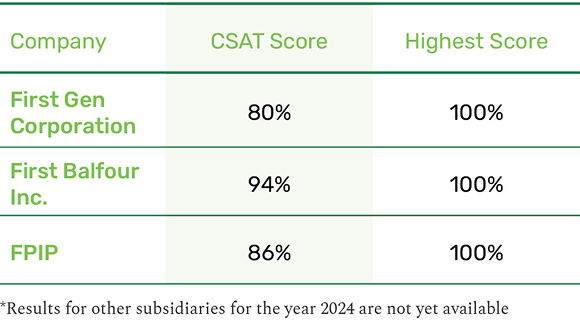
For FPIP, the company makes sure to include our customers in various CSR activities such as Earth Hour, Tree Planting, and Coastal Clean-Ups, as well as conducting information campaigns to embed sustainability practices with them.
We also take the opportunity to showcase how we develop our products and services towards decarbonization. First Philec continues to participate in public exhibitions and expos to highlight the company’s ongoing journey toward decarbonization.
Social activities are also initiated by our business groups to build holistic relationships with our customers. These come in the form of sports and wellness activities. Socialization and networking events such as the Power Hour and Customer Appreciation Nights are also conducted by First Gen Corp to express gratitude and celebrate its relationship with our Retail and Wholesale Customers.
Asian Eye also offers an option to provide its services to our customers through telemedicine.
Information on how we integrate our mission and advocacy into our products and services is detailed in the Intellectual Capital section found on page 176.
Collaborating with our Suppliers for a Shared Purpose
Our suppliers and business partners are our collaborators in service delivery and in carrying out our mission throughout our value chain. As one of our key partners in value creation, we ensure that they meet our business requirements while empowering them to adopt responsible business practices.
In 2022, FPH released the Code for Responsible Sourcing to be adopted by the Head Office and all of our business segments. This details our commitment to enjoining our suppliers in attaining a decarbonized and regenerative future for all. In 2024, headed by our Procurement Group, FPH conducted its annual Vendor Assembly to share our Company’s Vendor Accreditation Policy and Guidelines as well as some of our ESG initiatives in line with the FPH Code for Responsible Sourcing.
First Philec reiterates its commitment to decarbonization and regeneration to its suppliers, which was highlighted at their first Suppliers Meeting in 2024. This event aligned our partners with First Philec’s sustainability goals and strengthened collaboration on our net-zero roadmap. The company’s initial strategy includes optimizing logistics and transportation processes, ensuring greater efficiency and environmental responsibility.
Fostering Collaboration towards a Regenerative and Decarbonized Future
The environmental and social issues we face today are beyond the capability of one organization to solve and instead require a whole-country approach. We recognize these challenges as borne by the FPH mission, which calls for collaboration to meet our decarbonization and regeneration goals. We will need the help of our employees, peers in the industry, communities, various institutions, and the government to attain the world we want, where the planet, people, and businesses are vibrant and resilient. We believe in the natural partnership among the government, civil society, and the private sector in formulating the right policies, inventing the needed technologies, and setting beneficial relationships for all to succeed. This is the backdrop of our networking activities.
Advocacy on the FPH Mission
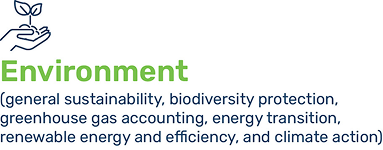
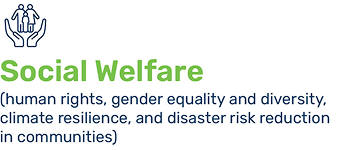
To fulfill our mission, we continue to reach out to other sectors, engaging 17,969 people in various modes. In 2024, we participated in and sponsored 28 events to advance our mission. These included discussions on:
We also continued six long-term partnerships on carbon measurement, human rights, sustainable development, and renewable energy.
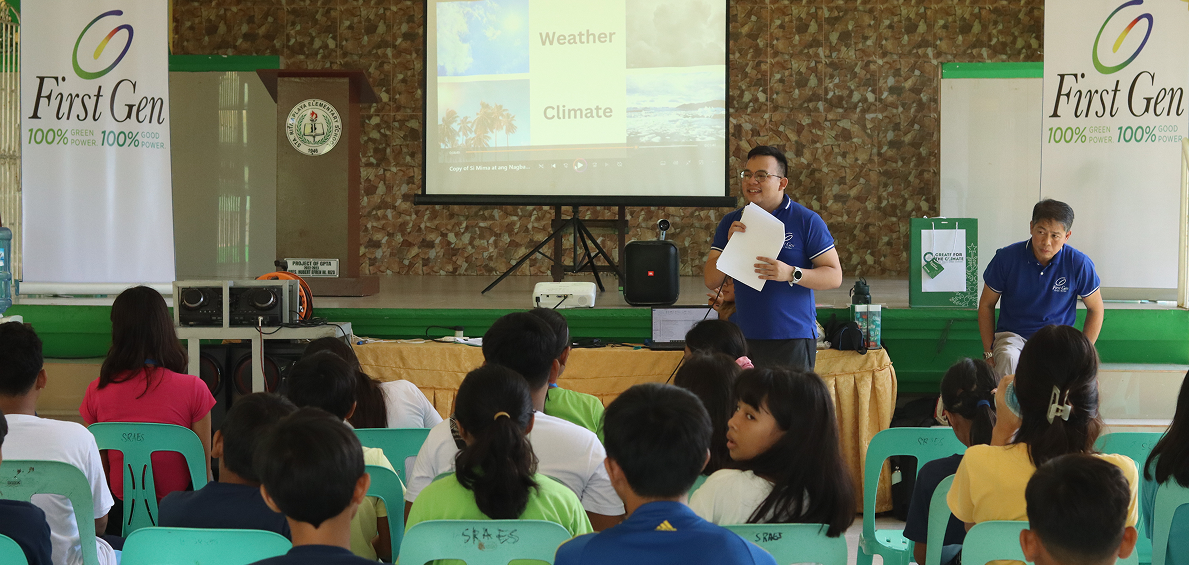
Resilience Building
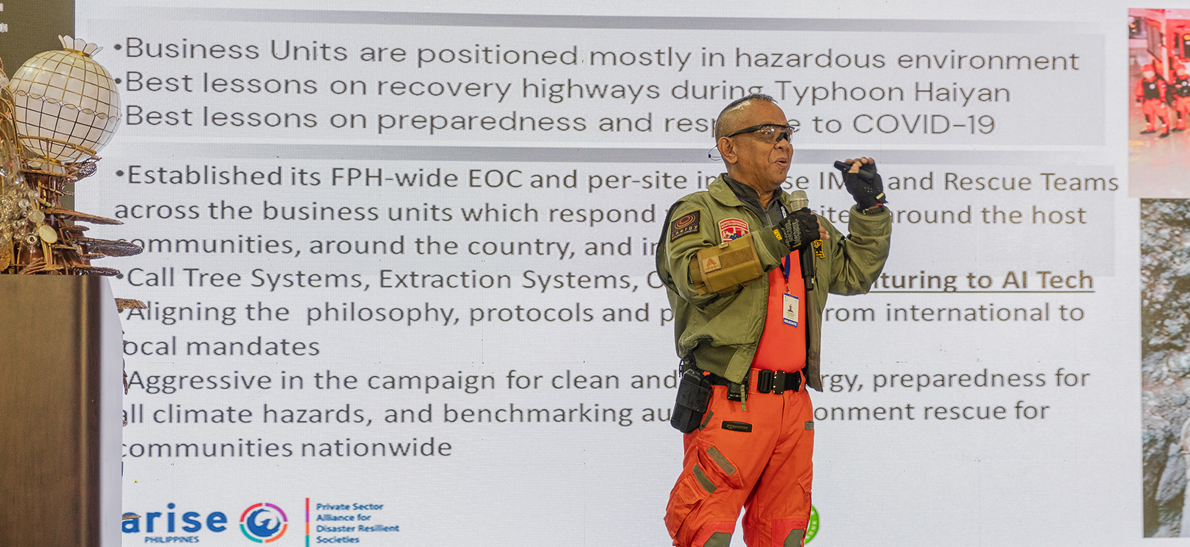
Regarding the practical application of resiliency skills in organizations and communities, FPH (through its disaster risk management expert, Dr. Teofredo Esguerra of EDC) provided eleven emergency response training sessions to external partners—these partners including local government units, government agencies, schools, and companies.
Partnership with Government
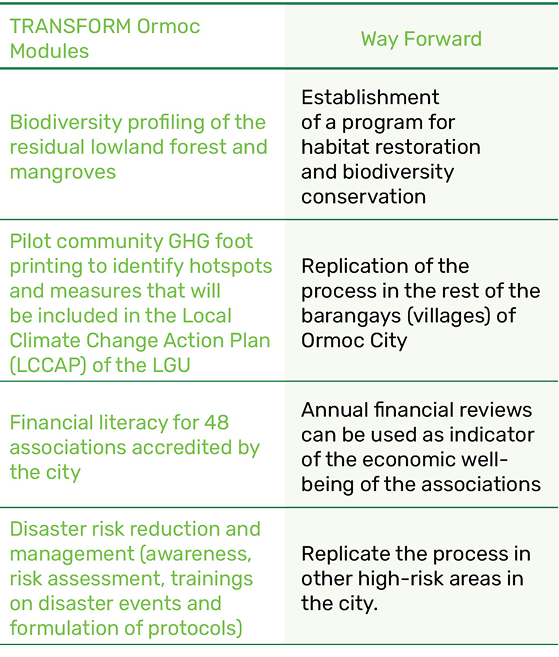
In 2023, we reported our partnership with the Department of Environment and Natural Resources (DENR) on Project TRANSFORM, also known as Transdisciplinary Approach for Resilience and Environmental Sustainability Through Multi-Stakeholder Engagement. It is a platform for collaboration of all sectors to assist the Local Government Units (LGUs) in protecting their natural wealth, improving community well-being, and building a robust local economy. We joined Project TRANSFORM as its goals align with our corporate purpose of allowing everyone to thrive on a healthy planet. Through our subsidiary EDC, we implemented the pilot in Ormoc City, the host LGU of its Leyte Geothermal Project. From the start, the Ormoc project was designed to be replicated through our local partners to amplify the benefits to the city. By December 2024, four of the five modules have been completed with our following recommendations:
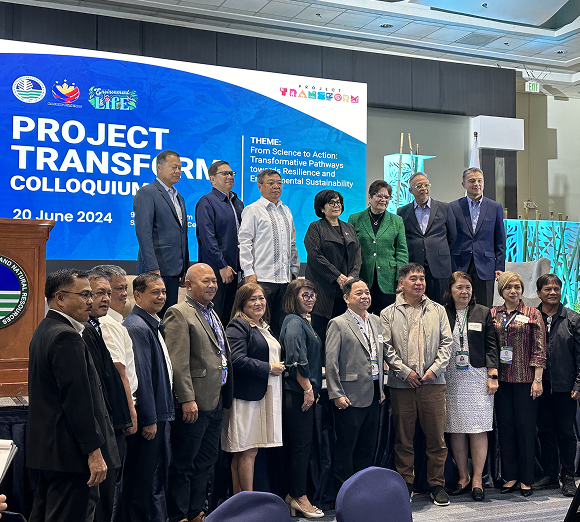
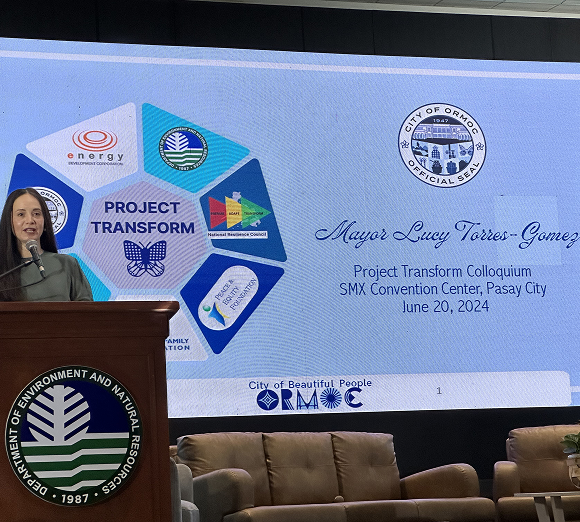
The pilot projects of Ormoc and Bataan served as proof of concept for TRANSFORM. In October 2024, the DENR and the Department of Interior and Local Government issued a joint circular guiding the nationwide implementation of TRANSFORM. DENR and TRANSFORM also received the 2024 Gold Anvil Award for transforming science into action and changing the local governance landscape. TRANSFORM has shown how we can contribute to solving the global crisis through local actions. It can be a platform that can deliver sustainable development to many parts of the country.
Partnership for Climate Neutrality 2050
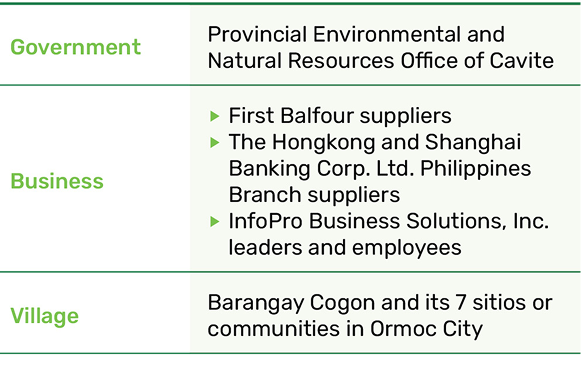
In 2024, we continue to be a volunteer member of the Ako ang Bukas Movement (AAB) for its campaign entitled “Quantum Leap NOW to Climate Neutrality 2050. AAB is the advocacy program of the Green Convergence, a civil society organization of more than three decades. In 2024, FPH provided technical assistance to the movement to train and develop modules on GHG accounting for various sectors:
Dissemination of Technical Information
In addition to engaging in forums, dialogues, projects, and disaster training, FPH has contributed to scientific studies. Our Chief Sustainability Officer Agnes De Jesus was a co-lead author of the Philippine Climate Change Assessment Report on the Mitigation of Climate Change sponsored by the OML Center. The report was released in November 2024 in time for the UN climate meeting of COP 29. Reflecting the current and comprehensive local data available from government and non-state actors, DENR and the Climate Change Commission believe that the report can be instrumental in refining the Nationally Determined Contribution implementation plan and the country’s commitment to the Paris Agreement. Further, the local findings will empower communities to respond effectively to the issues on the ground. Lastly, all sectors are encouraged by the government to use the report to inform their policies, plans, programs, and projects.
The FPH Chief Sustainability Officer also contributed to the environmental and social chapter in the book Geothermal Power Generation, New Developments and Innovation, Second Edition, published by Elsevier Publishing Company. FPH advocates for geothermal energy because it has a long history of addressing the challenges of economic development, energy security, and, today, climate change.
Empowering our Communities
Pushing forth a regenerative and decarbonized future entails empowering our communities and developing our communities to attain better and healthier quality of living. We can promote such by catering holistic development programs both in the environment and social aspect. Our environment and biodiversity initiatives are detailed in the Natural Capital section, found on page 157. Our efforts in social development are detailed below.
Healthcare
Through close collaboration with government health offices, local organizations, and volunteer practitioners, our group was able to contribute in blood donation drives and hold medical missions to provide primary healthcare consultation and distribute medicines to our partner communities.
These medical missions were carried out by First Gen Corp in Batangas City, Agusan del Norte, Pantabangan in Nueva Ecija, and Bukidnon, catering to 9,423 patients.
FPIP and First Balfour contributed to blood donation drives in partnership with their local government and the Philippine Red Cross respectively. These initiatives were participated by their employees and partners, providing help to at least 2,865 recipients.
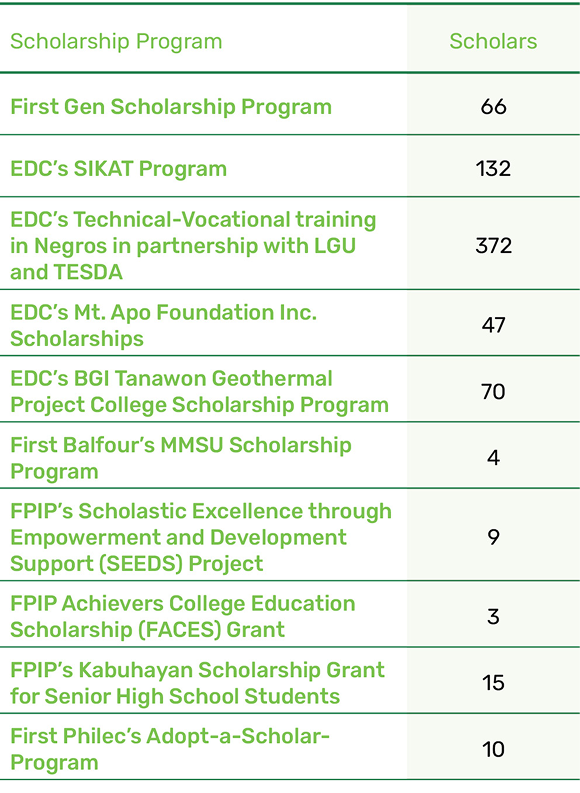
Education and Training
Through close collaboration with government health offices, local organizations, and volunteer practitioners, our group was able to contribute in blood donation drives and hold medical missions to provide primary healthcare consultation and distribute medicines to our partner communities.
These medical missions were carried out by First Gen Corp in Batangas City, Agusan del Norte, Pantabangan in Nueva Ecija, and Bukidnon, catering to 9,423 patients.
FPIP and First Balfour contributed to blood donation drives in partnership with their local government and the Philippine Red Cross respectively. These initiatives were participated by their employees and partners, providing help to at least 2,865 recipients.
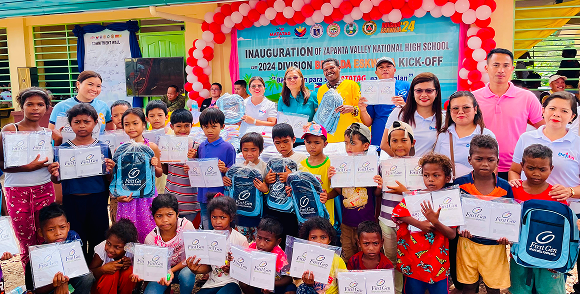
Sustainable Livelihood
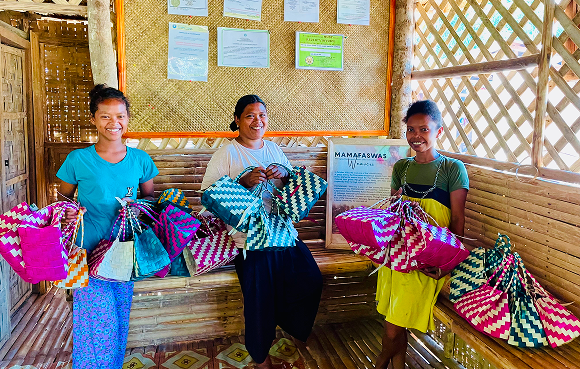
As part of our commitment to empowering our host communities, offering sustainable livelihood programs allow members of the community to be equipped with the tools and opportunities to improve their economic independence. Our Social Development Program, carried out by the Energy Development Corporation, has successfully provided sustainable livelihoods to 174 individuals. Among them, 146 members of the BINHI Farmers Association have benefited from selling mangoes and vegetables to our market partner, Sari Suki. In addition, 28 members of the MAMAFASWAS association have earned income by developing abaca-based products and participating in 10 trade fairs, connecting with markets and clients across Mindanao and Manila.
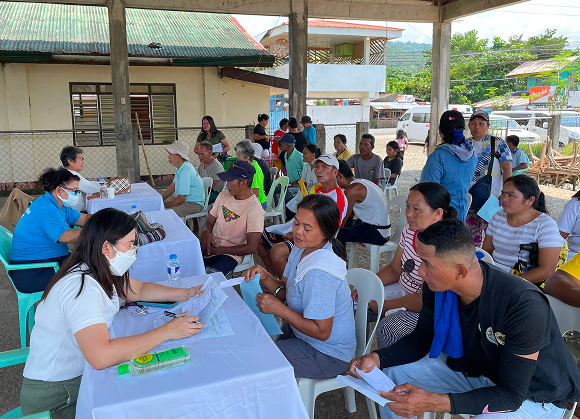
We are also committed to bridging career and livelihood opportunities to our partner communities through facilitating job fairs. FPIP conducts these job fairs open to its surrounding communities to align local employment needs with the available opportunities from business locators, resulting in increased local hiring and the creation of valuable employment opportunities. In 2024, the FPIP Job Fair resulted in 3,782 applicants, with 497 hired on the spot by 27 locator participants.
Through these initiatives, we continue to empower individuals and communities, providing them with the resources to become more self-sufficient and resilient.
Indigenous Communities
EDC’s Mt. Apo Geothermal Project operates within the ancestral lands of Indigenous Peoples (IPs). We recognize our responsibility and are committed to upholding the rights of these communities as outlined in the Indigenous Peoples’ Rights Act (RA 8371). This includes respecting their right to ancestral domains, self-governance, social justice, and cultural integrity.
As part of our efforts to preserve and promote the Indigenous Peoples’ traditional cultures (who comprise 80 percent of the local population around Mt. Apo), we launched the Schools of Indigenous Knowledge (SIK) in partnership with the National Commission on Indigenous Peoples (NCIP). These schools were established in Brgy. Bongolanon (Magpet) and Brgy. Kisante (Makilala), serving as platforms for preserving indigenous practices and traditions, particularly among the youth.
In 2024, approximately 50 high school students from Magpet had completed their cultural education, with another group set to finish their classes in 2025. Future curricula will expand to include environmental teachings, such as sustainable harvesting and BINHI best practices.
Through these initiatives, we preserve the cultural heritage of Indigenous Peoples and support their empowerment and integration of sustainable practices for future generations.
Disaster Risk Reduction and Management
Given the current climate crisis and our country’s vulnerability to climate-related disasters, our businesses share the responsibility of preparing our partner communities for disaster. Our businesses are committed to supporting our communities in climate resilience programs and disaster preparedness by conducting training and workshops in partnership with the local government.
EDC strengthened its commitment to supporting Leyte in its climate resilience program by conducting training sessions for 14 high-risk barangays in Ormoc City entitled “Strengthening Community-Based Disaster Response Protocols.” 103 participants from local government agencies participated in this training in partnership with the Local Government of Ormoc City and the DENR. In the Municipality of Capoocan, an All-Hazard Community Emergency Response (ACER) and Austere Environment Rescue Operation (AERO) training was conducted, with 47 participants representing barangay officials and environment officers.
Similarly, FPIP also conducted training to develop the Barangay Protocols during disasters. 173 Senior High School student volunteers were trained to identify emergency rescue materials and handle equipment.
Updates on our Foundation’s Activities
Lopez Group Foundation Inc. (LGFI)
The Lopez Group Foundation Inc. (LGFI) harmonizes and synergizes the corporate social responsibility (CSR) efforts of the FPH group and other affiliated companies. Through these collaborative efforts, we capitalize on and maximize these companies’ advocacies and expertise to deliver exponential value to our stakeholders continuously.
To account for the varying nature of the businesses under the Lopez Group, LGFI has identified seven advocacy clusters in which it can maximize its impact on community members. These clusters are Environment, Education, Child’s Rights and Development, Humanitarian Action, Social Entrepreneurship and Sustainability, Livelihood, Health and Wellness, and Arts and Culture.
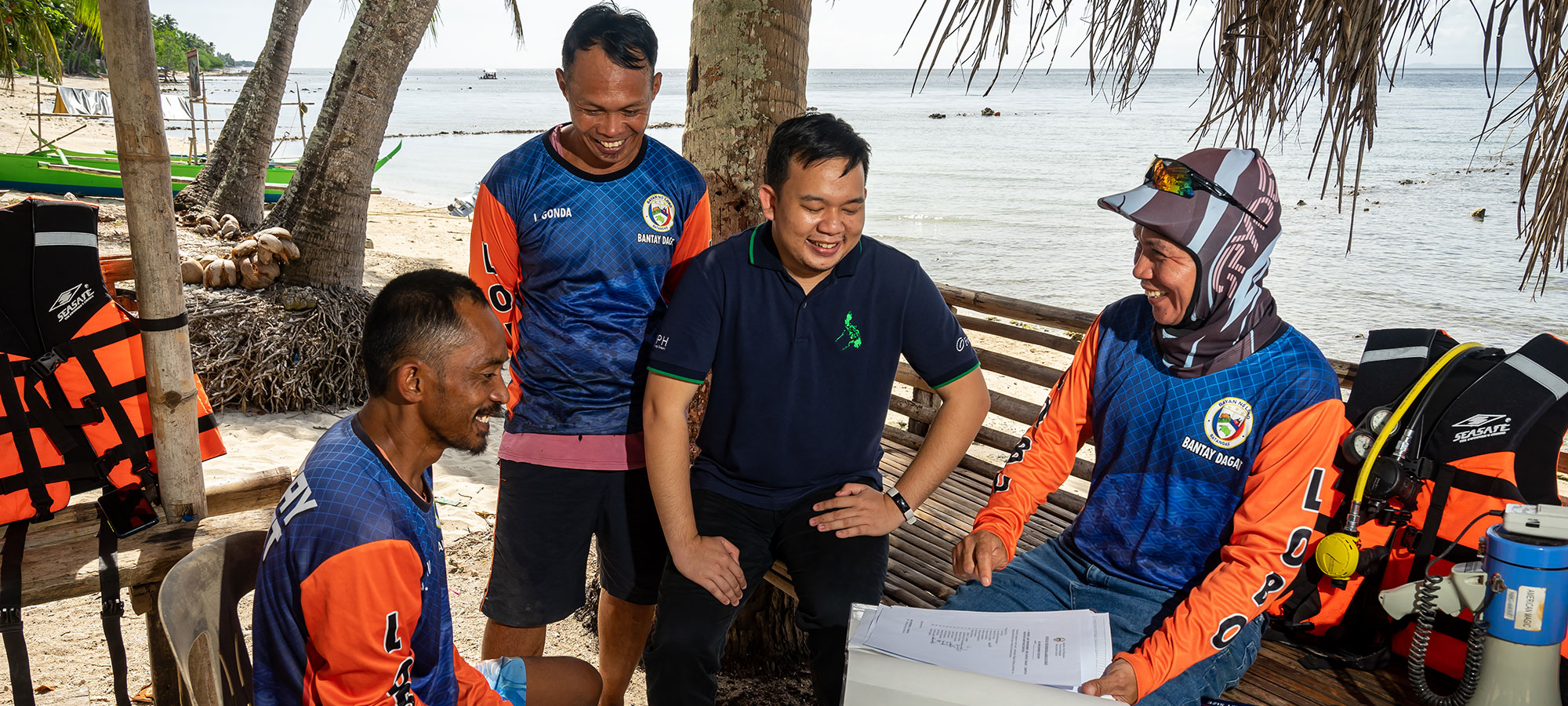
After its pilot in 2021, LGFI continues to support Lobo, Batangas through its Integrated Area Development (IAD) program. The Foundation focused on four clusters, Children’s Rights and Development, Social Entrepreneurship and Sustainable Livelihood, Education, and Environment, as these programs are geared towards enabling our partner communities to be self-reliant. These initiatives were not solely implemented by LGFI, as various partners from the private sector and local and national governments poured their support into the success of these activities.
Oscar M. Lopez Center
The Oscar M. Lopez Center for Climate Change Adaptation and Disaster Risk Management Foundation, Inc. (OMLC) is a non-profit organization born out of a private sector initiative to enhance support for research and innovative solutions towards climate change adaptation and disaster risk management.
In 2024, OMLC produced The 2024 Philippine Climate Change Assessment, a second cycle of the Philippine Climate Change Assessment (PhilCCA). The 2024 report is an update to the initial reports first published in 2016, which synthesizes scientific information from 2016 onwards, providing a comprehensive review and assessment of the state of knowledge on climate change science and impacts in the Philippines. The PhilCCA 2024 Reports are organized into three volumes:
▸ Working Group 1: The Physical Science Basis
▸ Working Group 2: Impacts, Vulnerabilities, and Adaptation
▸ Working Group 3: Mitigation of Climate
Now in its third year of implementation, OMLC continues to promote inclusivity and climate resilience in partnership with the USAID for the “Climate Resilience of the Deaf: Signs for Inclusive Governance and Development” or Project SIGND. In 2024, the Center partnered with other non-profit organizations in enhancing and supporting capacity building programs enabling the development of climate-related FSL signs. The Center was also given the opportunity to join the inaugural Stanford Sustainability Summit (S-Cubed) organized by the Stanford Graduate School of Business in California, which brought together 40 global changemakers from diverse sectors including entrepreneurship, innovative firms, non-government organizations, policymaking, and health & education.
The Center continues to collaborate with young filmmakers in exploring different ways to communicate the impacts of climate change to the public with the 2024 Mga Kwento ng Klima (Stories about the Climate) Short Films competition. A total of nine films were produced through this initiative, exploring stories and concepts on the threats of sea level rise, health risks brought about by negative environmental impacts, the cross-sections on economic privilege and disaster risk, among many others.
Ang Misyon Inc.
Ang Misyon Inc. is a non-profit organization that supports the musically talented, less privileged youth. They believe that social change is sparked through the learning of orchestral music. Their flagship music program and main performing arm is the Orchestra of the Filipino Youth (OFY).
Under the guidance of professional mentors, the OFY curriculum is specifically curated for a high-quality youth orchestra. OFY regularly held rehearsals to continuously hone and master their musical instrument skills.
Ang Misyon Inc. held the OFY Music Camp, a four-day intensive, camp-style format where the scholars get to commune with peers and learn challenging pieces together. It engages them to interact with their peers not only by socialization but also through sectional workshops and full orchestra rehearsals.
In 2024, OFY achieved a significant milestone by being invited to perform at the prestigious Orkestra Festival Kuala Lumpur held at the Dewan Bandaraya Hall in Malaysia. 30 OFY scholars traveled to Kuala Lumpur and collaborated with musicians from the Malaysia Philharmonic Youth Orchestra (MPYO). The performance was reprised at the Dewan Filharmonik Petronas Hall, Malaysia’s premier concert venue located at the base of the iconic Petronas Twin Towers in Kuala Lumpur. OFY showcased traditional Filipino folk songs such as “Pamulinawen,” “Lawiswis Kawayan,” “Sampaguita,” and “Dandansoy” in this prestigious venue. This not only showcased our rich cultural heritage, but also highlighted the talent and versatility of our young musicians.
Another notable achievement of the OFY in 2024 was having the honor of being the first musicians to perform the original music
by National Artist Ryan Cayabyab as accompaniment of Ballet Manila’s production of Florante at Laura under the baton of
Toma Cayabyab.
 Sikat Solar Challenge Foundation, Inc.
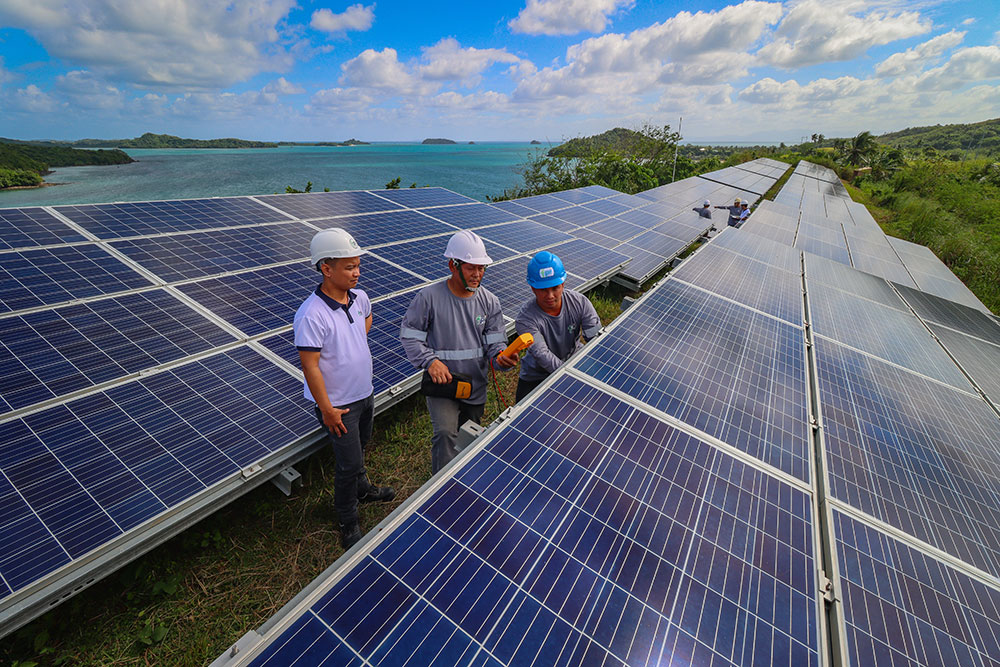
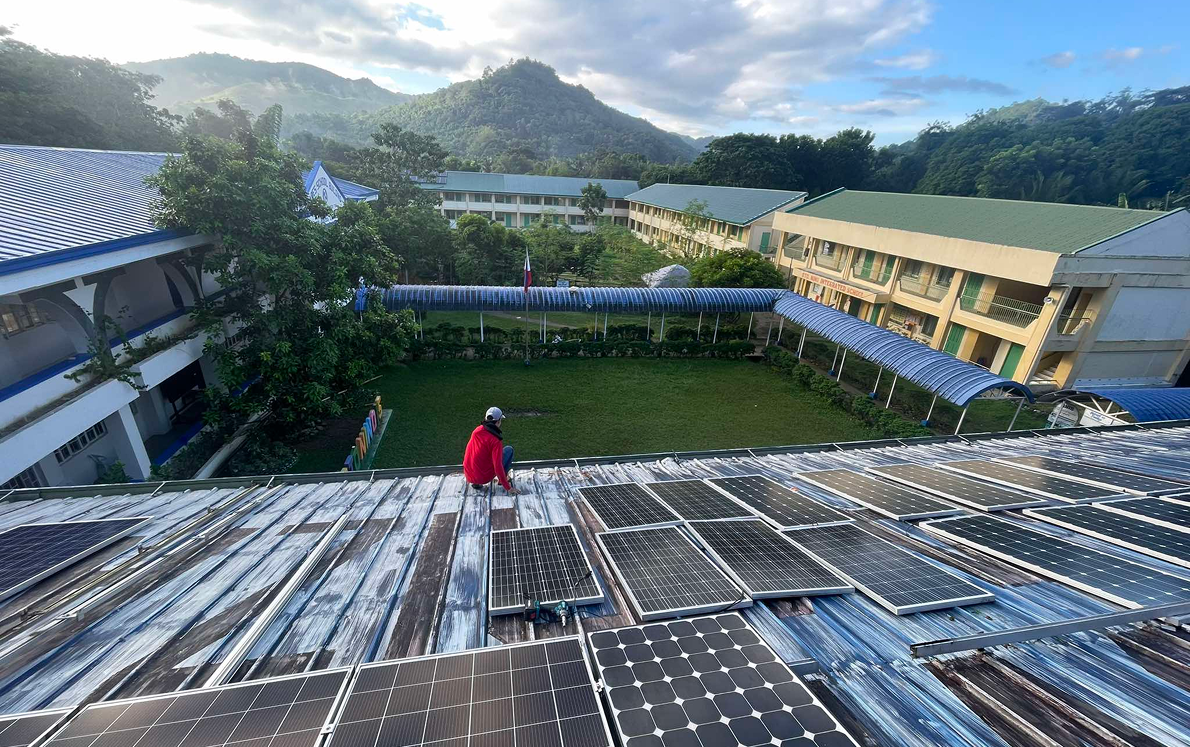
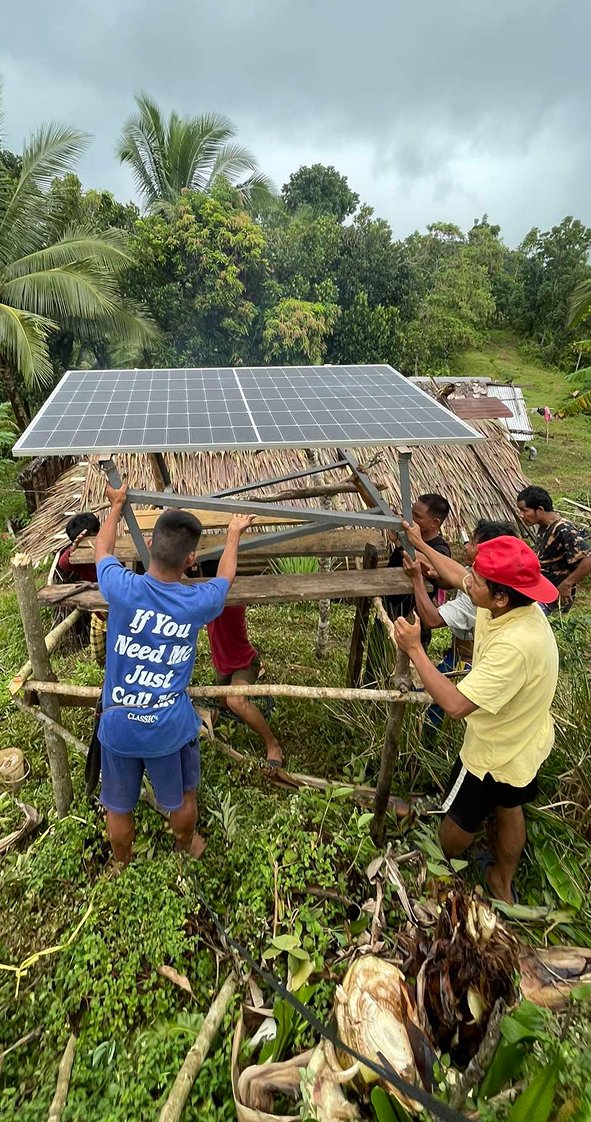
Sikat Solar Challenge Foundation, Inc., or SIKAT, is a non-profit organization that aims to uplift the lives of rural communities through electrification. Aligned with decarbonization and regeneration, SIKAT projects involve installing renewable energy systems and nano grids powered by solar energy in its supported communities.
SIKAT continued to provide electrification to off-grid mountain communities in Mindoro through The Liwanag sa Sitio Program. These communal assets are turned over under a conditional agreement but are regularly monitored by our partners, Keep Hope Alive (KHA). In 2024, SIKAT, together with KHA, conducted assessments to explore the possible expansion of The Liwanag sa Sitio Program, resulting in plans for the solar electrification program of additional five off-grid Sitios of Barangay Panaytayan, Mansalay, Or. Mindoro.
To ensure the long-term utilization of the electrification program, SIKAT also conducts training activities to equip local communities on the proper use and maintenance of the turned-over equipment and systems.
Through electrification, we improve their access to communication and expand sustainable livelihood opportunities to community members. With the help of other business segments, FPH turned over carpentry tools to Sitio Tanawan to construct the Coffee Processing Center. This initiative was made possible with the donation of First Balfour Inc., enabling better economic performance of the community.
SIKAT and KHA have also explored a partnership with Kerry Manufacturing for the Kapeng Mangyan Project, which aims to improve the coffee production of farmers in Mansalay, Mindoro, and increase their income from coffee farming. A coffee center was constructed by Mangyan farmers to be used as the central hub for coffee production and storage of supplies and equipment. As part of SIKAT’s support, the organization PROVIDED THE INSTALLATION OF a PV solar system to provide light and a charging station for the coffee center.
Sikat, together with its partner Solar Hope, also turned over two integrated systems to the Sto under its Sikat Ugnay Project. Nino Integrated School and Mamuyao Elementary School in Tanay Rizal. Since the project’s launch in 2023, Sikat has assisted three DepEd schools in Tanay.
Summary
▸ We continue to cultivate harmonious relationships with our stakeholders (customers, co-creators, earth, communities, and investors) and exert effort in sharing our mission with them.
▸ As our partners in business, we remain committed to ensuring that our suppliers and vendors carry out our mission of a regenerative and decarbonized future by embedding our ESG values in our engagements and ESG data collection efforts.
▸ Our business segments continue to promote holistic social development in partnership with communities, civil society organizations, and local government units in implementing programs on education, healthcare, sustainable livelihood, protecting our IP communities, and disaster preparedness and resilience.
▸ Our foundations, LGFI, OMLC, SIKAT, and Ang Misyon, continue to implement their chosen socioeconomic and environmental programs and collaborate with our business segments to amplify their projects.
▸ We engaged with government and civil society organizations through dialogues and partnerships.
Financial Outcome
▸ The social license we obtain through stakeholder engagement and socioeconomic programs allows our business segments to operate throughout the country.
Non-Financial Outcome
▸ We continue to preserve our Social and Relationship capital by having meaningful engagements with our consumers, co-creators, community members, and investors. We also continue to expand our capitals when we forge new partnerships.