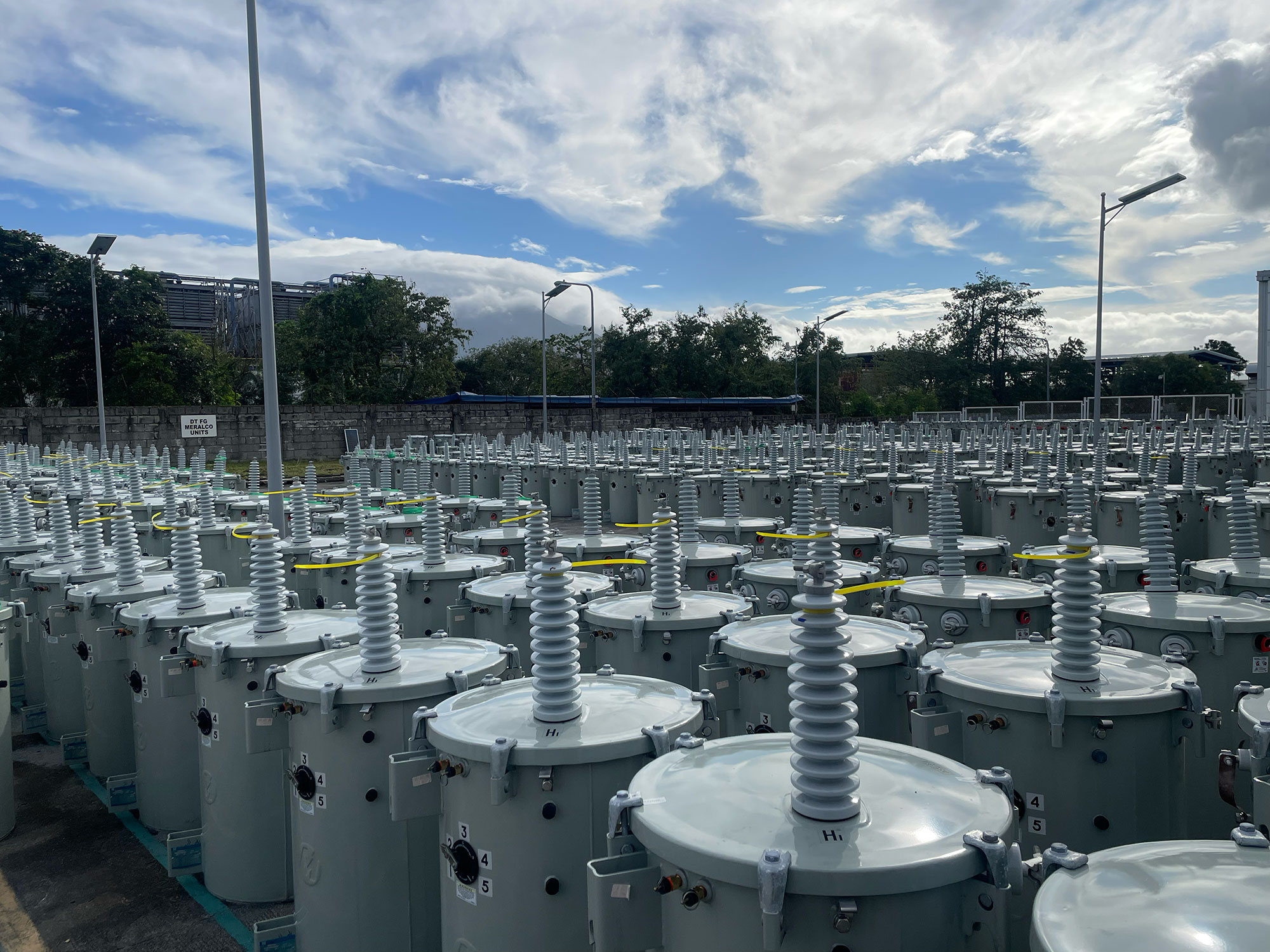

First Philec Inc. (FPI) is a pioneer and leader in electrical transformer solutions in the Philippines with over 55 years of experience delivering innovative energy distribution solutions to power utilities and commercial and industrial companies. First Philec plays a vital role in driving national development by supporting companies in key industries and public infrastructure. Hand in hand with its pursuit of an expanding global presence, FPI has committed to advancing the transition to a decarbonized future by providing high-performance solutions that enhance reliability and operational efficiency of its customers. To ensure long-term growth and resilience in the rapidly changing energy landscape, FPI continues to innovate and develop resources that meet customer needs while driving sustainable growth of the transmission and distribution industry.
Financial Highlights
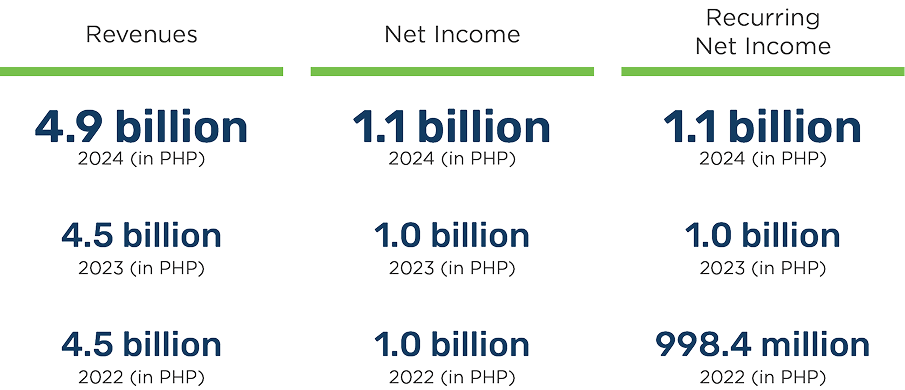
FPI increased its net income to PHP1.1 billion in 2024 from PHP1.0 billion in 2023, an overall increase of 10 percent. Revenues from its transformer business, which remains FPI’s core business, went up by 14 percent to PHP4.6 billion in 2024 from PHP4.0 billion in 2023. FPI’s export revenue also received a 40 percent boost after it completed trial orders for eight new customers last year. The share of FPI in the local market expanded to 72 percent in 2024, from 66 percent in 2023. Meanwhile, the pole line hardware business noted a 50 percent decrease in revenues last year due to delays in the rollout of tenders. FPI expects the pole line hardware business to recover in 2025.
FPI succeeded in getting a significant increase in distribution transformers from Meralco. Distribution transformers awarded to FPI more than doubled in value from USD74 million in 2023 to USD178 million in 2024; and equivalent units from 23,710 in 2023 to 52,811 in 2024. FPI at the same time achieved a significant milestone by securing for the first time supply contracts for three National Electrification Administration regional hubs in Regions 5, 7, and 8. These contracts amounted to PHP456.0 million and covered 32 customers.
2024 Key Highlights
► FPI aims to secure Green Certification for its Supergreen transformer. This certification is a third-party validation of the product’s sustainability, ensuring compliance with recognized environmental standards.
► FPI completed the first build of its Aluminum Winding Transformer that is a pushbutton-ready solution should global copper supply constraints escalate. FPI also launched dual/triple high voltage transformer solutions to support electric utilities and the US Department of Energy initiative to streamline transformer Stock Keeping Units. FPI likewise received trial orders for its Transformer Monitoring System from Batangas Electric Cooperative II and South Cotabato Electric Cooperative II, showcasing a growing interest in FPI’s innovative solutions.
► FPI also started serving a broader customer base for its distribution line components, surge arresters, and reclosers business segment outside of Meralco. This particular business segment with a projected PHP3.03 billion market value included Benguet Electric Cooperative, Batangas Electric Cooperative I, Cagayan Electric Cooperative I&II, Pampanga Electric Cooperative III, Central Pangasinan Electric Cooperative, Davao Light and Power Company, and Isabela Electric Cooperative I.
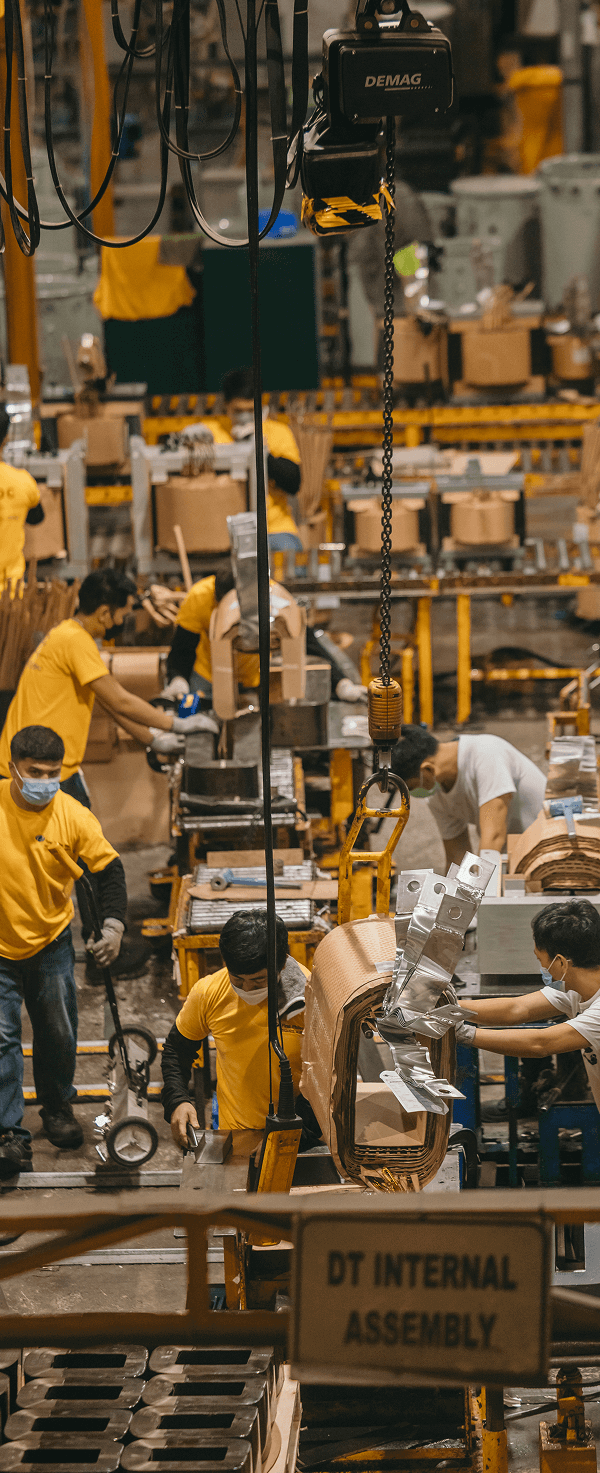
► FPI’s manufacturing plant maintained a consistent output throughout 2024, while also achieving a new production month record. In October 2024, it produced 2,648 units to surpass the previous record high of 2,604 in May 2022. FPI showcased operational readiness by meeting and effectively responding to the demand spike in the fourth quarter. By the end of 2024 the plant had produced a total of 24,469 units, a 5 percent increase versus 2023.
► FPI saw a promising addition of 41 new orders in the Commercial and Industrial Segment that contributed PHP78 million in value in 2024. Over 90 percent came from the long tail driven by telesales efforts. Two-fifths are new customers, highlighting the success of FPI’s customer acquisition strategies.
► FPI also widened its customer base in the US adding eight new clients and extending its presence to 17 states. FPI has two US stocking distributors (the American Modular Power Transmission Distribution in the Northeast Coast and the Western United Electric Supply in the West Coast) to promote the presence of the brand.

Strategy to Implement the Mission
► FPI consistently implements the greening of its supply chain in support of FPH’s mission of forging collaborative pathways for a decarbonized and regenerative future. All the distribution transformers that FPI delivered to Meralco in 2024 featured biodegradable insulating fluid made from natural ester. Distribution utilities under the Aboitiz Group (Davao Light and Power Corporation and Visayan Electric Company) now utilize eco-friendly transformers that FPI supplied. FPI’s facility continues to lead the way in environmental stewardship by eliminating the use of single-use plastics. Moreover, FPI achieved 88 percent reduction in plastic waste compared to the 2021 baseline.
► FPI has integrated electric-powered vehicles (EV) into its operations in support of a cleaner transportation sector. FPI’s EV fleet now includes two electric buses, two electric vans, and one electric pickup truck, enhancing both sustainability and efficiency.
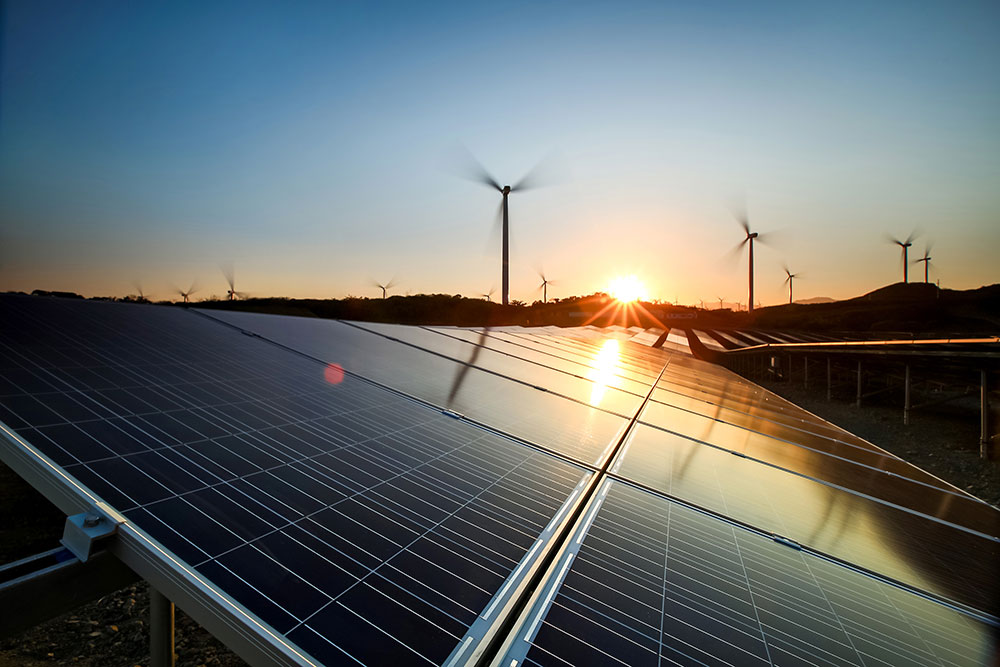
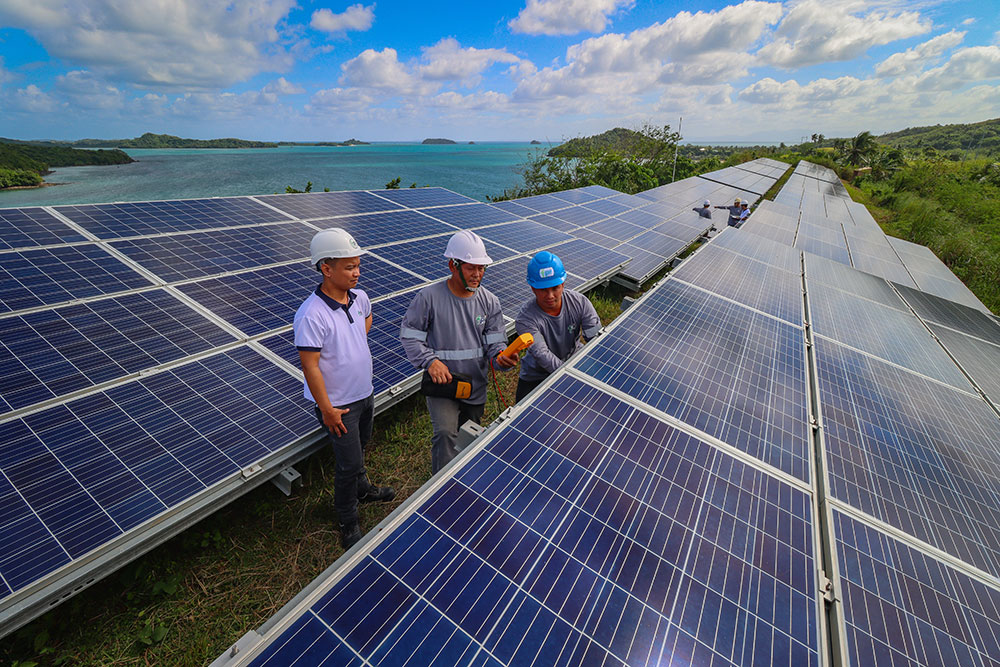
► FPI further reinforced its commitment to a green energy and sustainable future by getting from clean and renewable energy sources all the electricity requirements of its FPI Batangas Facility. Geothermal energy now supplies 75 percent of the facility’s power needs, and the balance is delivered by solar.
► In January 2024, FPI hosted a suppliers’ meeting that brought together 22 direct suppliers and seven logistics providers. The event aligned partners with FPI’s sustainability objectives, strengthening their role in the FPI’s net-zero campaign. This collaborative effort underscored its commitment to embedding sustainability across the entire supply chain.
Looking Forward
► As part of its commitment to its decarbonization mission, FPI will deliver tailored solutions to empower industries with sustainable and cost-effective alternatives while enhancing its supplemental portfolio services to directly address clients’ existing challenges.
► In 2025, FPI will accelerate the commercialization of its three-phase amorphous transformers, which outperform traditional silicon core models; and solar transformers, which are a critical component for renewable energy systems. Moreover, FPI will secure certifications for 7-, 11-, and 22-kilowatt EV chargers that will reinforce FPI’s position in the growing e-mobility market and expand its footprint in sustainable transportation infrastructure.
► FPI will continue to achieve milestones in energy storage and will focus on completing the prototype of Gen-1 sodium-ion battery that will set a new benchmark as the first locally developed sustainable battery with performance at par with market-leading alternatives. This breakthrough will play a key role in advancing energy independence and resilience.
► FPI will seize opportunities where it could serve or potentially provide valuable solutions to challenges such as the increasing integration of Distributed Energy Resources (DERs), particularly solar power, which introduces the risk of elevated voltage stresses on connected equipment, including transformers. Effective monitoring and mitigation of these stresses are essential to prevent overloads and ensure the safe and stable feeding of solar photovoltaic energy into the grid.
► In a volatile, uncertain, complex, and ambiguous world, FPI believes its products will be well-suited to meet the current and future needs of its customers. FPI is optimistic these products will be able to address pain points caused by extreme weather; a hotter Philippines due to climate change; higher penetration of renewables; and the impact of electrification of transport.
► The widespread adoption of EVs with fast charging systems may accelerate the aging of transformers, diminishing their lifespan. These developments pose an opportunity for FPI to improve the technology and performance of its products to be better prepared for these changes in the market.